

If you’re searching for a clear breakdown of the latest shifts in the competitive meta, you’re in the right place. Players everywhere are trying to understand how recent updates are reshaping strategies, team compositions, and win conditions—and more importantly, how to adapt before falling behind.
This article cuts through the noise to analyze the game balance patch impact on gameplay, ranked performance, and high-level competitive play. Instead of surface-level summaries, you’ll get practical insights into what’s actually changing in matches, which tactics are gaining traction, and where common strategies are starting to fail.
Our analysis draws from in-game testing, high-ELO match reviews, and current esports trends to ensure every takeaway is grounded in real performance data—not speculation. Whether you’re grinding ranked, coordinating with a squad, or aiming to compete at a higher level, you’ll find actionable guidance to stay ahead of the evolving meta.
Log in after a patch and suddenly your main feels like a stranger. I’ve been there—muscle memory primed, confidence high—only to discover a cooldown nerf or damage tweak flipped everything. That’s the real game balance patch impact: tiny numbers, massive consequences.
Players sink hundreds of hours into mastering spacing, combos, rotations. Then overnight, the meta resets. Some argue that keeps games fresh. I think it’s a necessary evil.
Consider how a 5% damage reduction can:
- Drop a hero from must-pick to situational
- Reshape team compositions entirely
Balance is design philosophy in motion, not just patch notes. For real.
Beyond the Numbers: Deconstructing a Balance Patch
As players navigate the delicate balance of implementing updates in their favorite multiplayer games, understanding the technical aspect of optimizing their hardware becomes essential, which you can explore further in our article on ‘How To Update A Gaming PC at Jogametech’ – for more details, check out our How To Update A Gaming Pc Jogametech.
When patch notes drop, most players scan for buffs and nerfs. But not all changes are created equal. To understand true game balance patch impact, you need to separate direct changes from systemic changes.
Direct changes affect a single character or item—think “+5% damage” or “cooldown reduced by 1 second.” Systemic changes alter the underlying rules, like modifying armor calculation (how damage reduction is computed), adjusting objective timers, or tweaking the in-game economy. One shifts a hero. The other shifts the entire battlefield.
Let’s simplify this further with The Three Tiers of Adjustments:
- Minor Stat Tweaks: Small numerical fine-tuning meant to gently push performance up or down.
- Reworks: Structural redesigns that change how a character fundamentally plays.
- Global Mechanics: Universal updates affecting every player equally.
Consider a hypothetical nerf: Character X’s teleport cooldown increased by 2 seconds. Immediate impact? Less mobility. Secondary impact? Fewer escape options, weaker flanks, and riskier team fight positioning. Suddenly, aggressive plays feel like a Marvel post-credit scene—exciting but dangerous.
Some argue two seconds is trivial. In isolation, maybe. In competitive matches where engagements hinge on split-second rotations, it’s enormous (ask any esports analyst). Clarity comes from seeing the ripple, not just the rock.
The Ripple Effect: From Micro-Plays to Macro-Strategy
A single tweak to recoil, cast time, or movement speed might look minor in patch notes. In practice, it rewires your hands. When a rifle’s recoil pattern shifts by even a few pixels, your muscle memory—the automatic motor learning built through repetition—suddenly betrays you. Shots you used to land in your sleep start whiffing. I’ve always believed that these micro-adjustments are the most brutal kind of change (the patch note says “minor adjustment,” your rank says otherwise). That’s the real game balance patch impact most players underestimate.
On a team level, the ripple grows. Adjust Area of Effect (AoE) damage—abilities that hit multiple targets within a radius—or reduce crowd control (CC) duration, and entire engagements evolve. Shorter stuns mean fewer guaranteed eliminations, which favors:
- Aggressive dive comps that rely on speed and burst
- Defensive setups built around sustain and healing cycles
Some argue that balance tweaks don’t truly reshape team strategy—“good fundamentals win regardless.” I disagree. When healing output increases by even 5%, drawn-out fights become optimal. Suddenly, patience beats flash. It’s chess, not checkers (yes, I said it).
And when a dominant rush strategy gets nerfed? That’s when creativity explodes. Players are forced to test slower tempo comps, hybrid builds, or overlooked characters. A new meta—the most effective tactics available—emerges not because developers command it, but because players adapt.
Personally, I love that chaos. It keeps competition honest. Stagnation kills games faster than imbalance ever could.
The Player Response: Adaptation, Theorycrafting, and Mastery
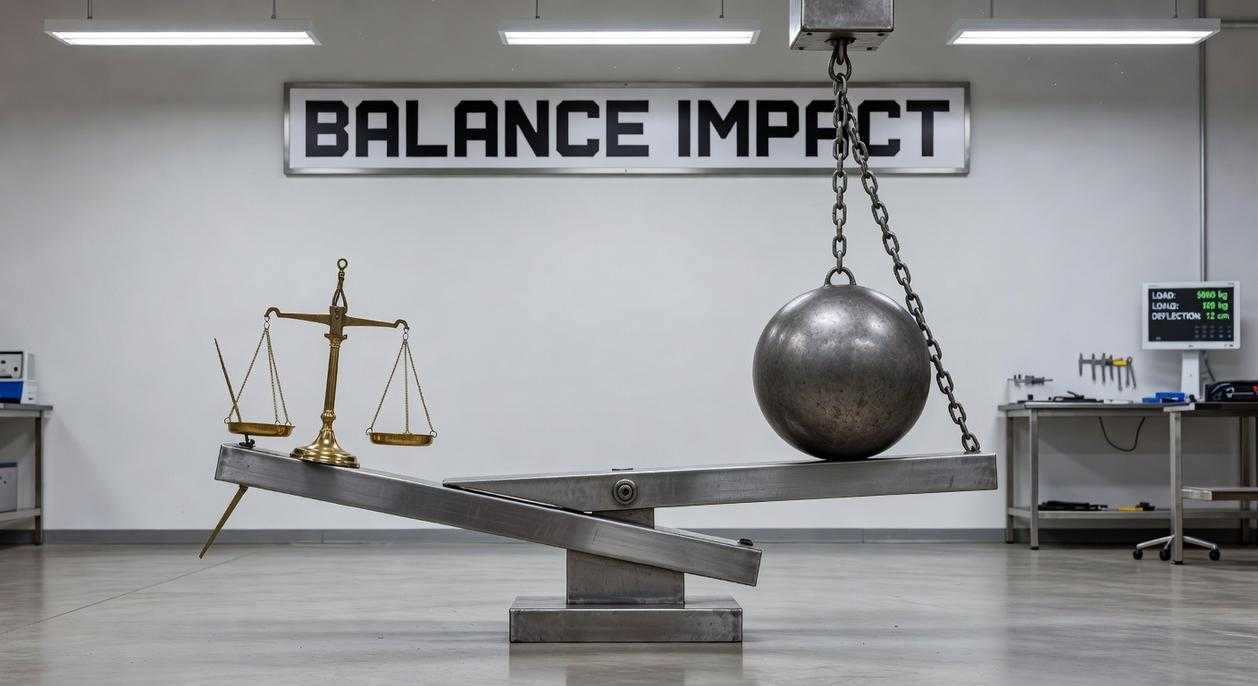
When a major patch drops, the first few days feel like a gold rush. This is the Discovery Phase—a chaotic scramble where players test wild builds, odd weapon pairings, and “this-can’t-be-real” synergies to uncover what’s secretly overpowered (or “broken,” in community slang). Think of it like scientists mixing random chemicals in a lab—except the explosions are win streaks. Naturally, the true game balance patch impact isn’t obvious at first; it reveals itself through trial, error, and a few spectacular failures.
Meanwhile, the hive mind goes to work. Forums, Discord servers, and content creators dissect patch notes line by line, predicting winners and losers before the dust settles. This theorycrafting—the practice of calculating optimal strategies before fully testing them—acts like weather forecasting for competitive play. If you want a deeper breakdown of how multiplayer metas shift after major game patches, see how multiplayer metas shift after major game patches.
However, adaptation isn’t just intellectual—it’s physical. Veteran players must overwrite muscle memory built over months. That’s like switching from driving automatic to manual overnight. Frustrating? Absolutely. Yet the best players shorten this relearning curve by reviewing gameplay, isolating mistakes, and practicing deliberately. Mastery, after all, isn’t about resisting change—it’s about surfing it.
High-Stakes Adjustments: How Patches Shape the Esports Scene
Before major tournaments, developers often drop sweeping updates to avoid a stale meta—the dominant, overused strategy that makes matches predictable. The idea is simple: force innovation and reward adaptability. Critics argue it’s unfair to change the rules weeks before a championship. They’re not wrong; sudden shifts can feel chaotic. Still, controlled disruption can elevate competition, even if the full game balance patch impact isn’t always clear until matches unfold.
Meanwhile, pro teams scramble. Dedicated analysts dissect patch notes line by line, theorycrafting new drafts and testing counters at breakneck speed. Think Moneyball, but with cooldown timers and damage ratios. I’ll admit, it’s hard to measure how much advantage preparation truly gives—scrims are private, and data is limited.
Then there’s champion pool volatility. A nerf can sideline a star’s signature pick, exposing whether their mastery runs deep—or only skin-deep. Adapt or fade away.
Mastering the metagame means accepting that the real battlefield is never static. Developers rewrite the rules through patches, tweaks, and seasonal updates, so gameplay mechanics are fluid, not fixed. Instead of resenting a game balance patch impact, treat it as a diagnostic of your strategic depth. After all, if your win rate collapses, was it skill or habit? To level up, review patch notes, test changes in scrims, and track performance data. Moreover, anticipate emerging metas by studying pro play trends. Think like a chess grandmaster, not just a button-masher. Ultimately, adaptability separates good players from great ones. Stay curious.
You came here to understand how the latest updates are reshaping your competitive edge—and now you have a clear view of the current meta, smarter optimization paths, and the real game balance patch impact on your favorite strategies.
If you’ve been feeling frustrated by sudden rank drops, countered builds, or shifting team comps, you’re not alone. Patch changes can make even experienced players feel like they’re starting over. The difference now is that you’re equipped to adapt instead of react.
The players who climb aren’t just skilled—they adjust faster than everyone else. Apply the tactics you’ve learned, refine your loadouts, and test the updated strategies in your next sessions. Small optimizations compound quickly.
Ready to Take Back Control of the Meta?
Don’t let another patch derail your progress. Get proven strategies, data-backed meta breakdowns, and high-level insights trusted by competitive players who refuse to fall behind. Start implementing these adjustments today—and if you’re serious about ranking up faster, dive deeper into our advanced guides and optimization breakdowns now.