If you’re looking to gain an edge in today’s fast-moving multiplayer landscape, you’re in the right place. Whether you’re climbing ranked ladders, refining team coordination, or studying high-level esports play, success comes down to more than raw talent. It’s about understanding the meta, optimizing your setup, and building competitive gaming habits that consistently separate average players from top performers.
This article breaks down proven gameplay strategies, current multiplayer meta insights, and practical optimization tips you can apply immediately. We analyze high-level matches, study evolving patch trends, and draw from real competitive environments to ensure the guidance here reflects what actually works—not outdated theory or casual assumptions.
By the end, you’ll have a clearer understanding of how to adapt to shifting metas, sharpen your decision-making, and approach every match with a structured, performance-driven mindset designed for long-term improvement.
Beyond the grind you’ve logged thousands of hours, yet your rank stalls. That’s the skill ceiling: a plateau where reflexes and raw reps stop translating into wins, often bringing burnout and strain. The fix isn’t MORE screen time; it’s a sustainable system built on sleep, mobility, and daily review. Performance science and analyses of esports routines show recovery sharpens reaction speed and decision-making (see Harvard Health on sleep and cognition). Treat competitive gaming habits like training cycles, not marathons. Speculation: as esports matures, teams will prioritize coaching and biometrics. • CAPS • Reset rituals Pro tip: schedule breaks like scrims.
Sleep for Cognitive Dominance
Seven to nine hours of quality sleep is non-negotiable for competitive gamers. Sleep is when your brain consolidates memory—meaning it locks in what you practiced earlier. If you review VODs at night, deep sleep helps store those pattern recognitions and timing adjustments for future matches (think of it as auto-saving your progress). Studies show sleep deprivation slows reaction time and impairs decision-making, comparable to mild intoxication (CDC). Just as critical is emotional regulation: well-rested players handle tilt better and reset faster after mistakes. If you’re refining competitive gaming habits, consistent sleep is your unfair advantage.
Nutrition for a Sharper Mind
Energy drinks and junk food offer a quick spike in alertness—usually from caffeine and simple sugars—but that buzz fades into a crash that hurts focus and mood. A balanced diet provides steadier cognitive fuel. Hydration alone improves attention and processing speed (Harvard Health). Build meals around complex carbs like oats or brown rice for sustained energy, lean proteins for neurotransmitter support, and healthy fats from nuts. Add “brain foods” such as blueberries (linked to improved memory), leafy greens, and seeds for micronutrients that support neural function. Pro tip: pair caffeine with food, not an empty stomach, to reduce jitters.
Movement as a Performance Enhancer
This isn’t about bodybuilding. Light cardio boosts blood flow—and oxygen—to the brain, supporting faster thinking. Simple stretching reduces stiffness, improves posture, and prevents fatigue during long sessions. Even 15 minutes daily can sharpen focus and reduce strain.
Winning the Mind Game: Mastering Tilt and Maintaining Focus
The Anatomy of Tilt
Tilt isn’t just rage-quitting or slamming your desk. It’s any emotional state that hijacks decision-making. Frustration, overconfidence, panic, even desperation to “win it back” all qualify. In psychology, this is called emotional flooding—when feelings overpower rational thought (APA Dictionary of Psychology). In gaming terms, it’s the difference between smart rotations and reckless pushes.
Consider two players: Player A loses one fight and spirals. Player B loses the same fight but resets mentally. The trigger might be unmet expectations (“I should’ve won that”), toxic teammates, or one embarrassing misplay. While some argue tilt is unavoidable—“it’s just passion”—that’s only half true. Passion fuels performance; unmanaged emotion sabotages it. Identify your personal triggers. Is it criticism? Losing streaks? Lag? Awareness is your first counterplay.
Actionable Tilt Control Techniques
Now compare two recovery strategies. Option A: queue instantly after a bad loss. Option B: use the “Step Away” rule—mandatory five-minute break. Research on performance recovery shows short breaks restore cognitive control (University of Illinois, 2011). Box Breathing—inhale four seconds, hold four, exhale four, hold four—lowers stress response.
Next, shift from outcome to process. Instead of obsessing over rank, focus on improving one mechanic per match. Pros rely on structured resets like those outlined in mental toughness techniques used by pro players. The difference? Outcome focus says, “Did I win?” Process focus asks, “Did I improve?” (Think Rocky training montage, not just the final fight.)
Pro tip: track emotional triggers alongside stats—it reveals patterns fast.
Strategic Breaks for Mental Stamina
Finally, stamina matters. The Pomodoro Technique—50 minutes focused play, 10 minutes fully away—prevents decision fatigue, the mental slowdown after prolonged choices (Baumeister et al., 1998). Many competitive gaming habits ignore rest, but disciplined breaks outperform marathon grinding every time.
Optimizing Your Battlestation
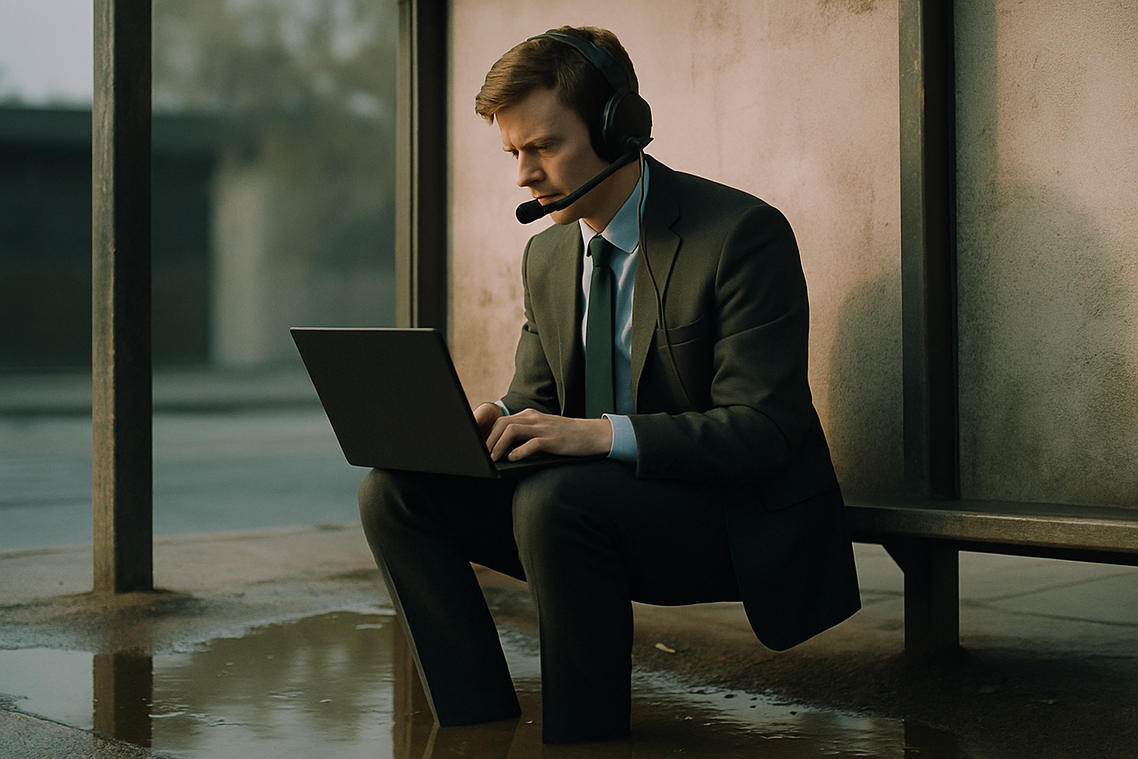
First, lock in a simple ergonomic checklist: monitor at eye level, feet flat on the floor, elbows bent at 90 degrees, and solid lumbar support hugging your lower back. This alignment keeps your spine neutral (meaning its natural S-curve stays intact) and reduces strain on neck and shoulder muscles. As a result, you prevent chronic back and tech-neck pain before it starts. The payoff? Longer sessions, sharper focus, and fewer forced breaks—because discomfort shouldn’t decide when the match ends.
Protecting Your Most Valuable Assets: Hands & Wrists
Meanwhile, your hands and wrists deserve equal attention. Start with gentle pre-session stretches and finish with post-session mobility work to keep tendons flexible and blood flowing. Watch for early RSI (Repetitive Strain Injury) signs: tingling, numbness, stiffness, or persistent ache. Ignore them, and performance drops fast. Build proactive care into your competitive gaming habits, and you’ll gain durability, faster reaction consistency, and a longer, healthier run at the top.
Faster Reactions, Smarter Decisions
Quality sleep and balanced nutrition sharpen reaction time and judgment. Sleep is your brain’s nightly reset, when neural pathways consolidate learning (meaning skills you practiced stick). Without it, decision fatigue—mental exhaustion that slows choices—creeps in. In late-game macro strategy, that split-second hesitation costs objectives. Well-fueled players maintain glucose levels, which power focus and impulse control. The result? Cleaner rotations, calmer clutch plays, and fewer panic ultimates—think less button-mashing, more chess grandmaster.
The Power of a Consistent Routine
Consistency turns healthy choices into automatic competitive gaming habits. A routine—set sleep windows, planned meals, scheduled breaks—reduces variability, which is simply performance swings caused by stress or fatigue. Over time, this builds endurance, the capacity to sustain focus across best-of-five series or marathon weekend grinds. Critics say talent outweighs routine. However, even prodigies burn out without structure (ask any shōnen anime rival). Stable inputs create stable outputs. That matters.
You now have the blueprint for a holistic performance system that treats you like an athlete, not just someone mindlessly queuing ranked matches. The truth? Grinding alone is the fastest route to a plateau and eventual burnout. I’ve seen it too many times (and yes, I’ve been there). When you integrate sleep discipline, mobility work, and focused review into your competitive gaming habits, improvement stops feeling random and starts becoming sustainable.
• Commit to a non‑negotiable sleep schedule.
• Add a five‑minute pre‑game wrist stretch.
Try one this week and notice the difference in clarity, confidence, and consistency starting today.
Level Up Your Results Starting Today
You came here to sharpen your edge and understand what actually separates casual players from consistent winners. Now you have the strategies, meta insights, and optimization tactics to turn knowledge into measurable performance gains.
The biggest frustration in competitive play isn’t lack of effort — it’s putting in hours without seeing real improvement. That’s where disciplined practice, smarter decision-making, and refined competitive gaming habits make the difference. Small adjustments in positioning, communication, loadouts, and review routines compound into game-changing results.
Now it’s your move.
Start applying one new tactic in your next session. Review your gameplay. Track your improvements. Then double down on what works.
If you’re serious about climbing ranks and outplaying the meta, join the #1 rated competitive gaming strategy platform trusted by thousands of dedicated players. Get deeper breakdowns, pro-level insights, and actionable playbooks you can use immediately.
Stop grinding without progress. Start training with purpose — and win more.