
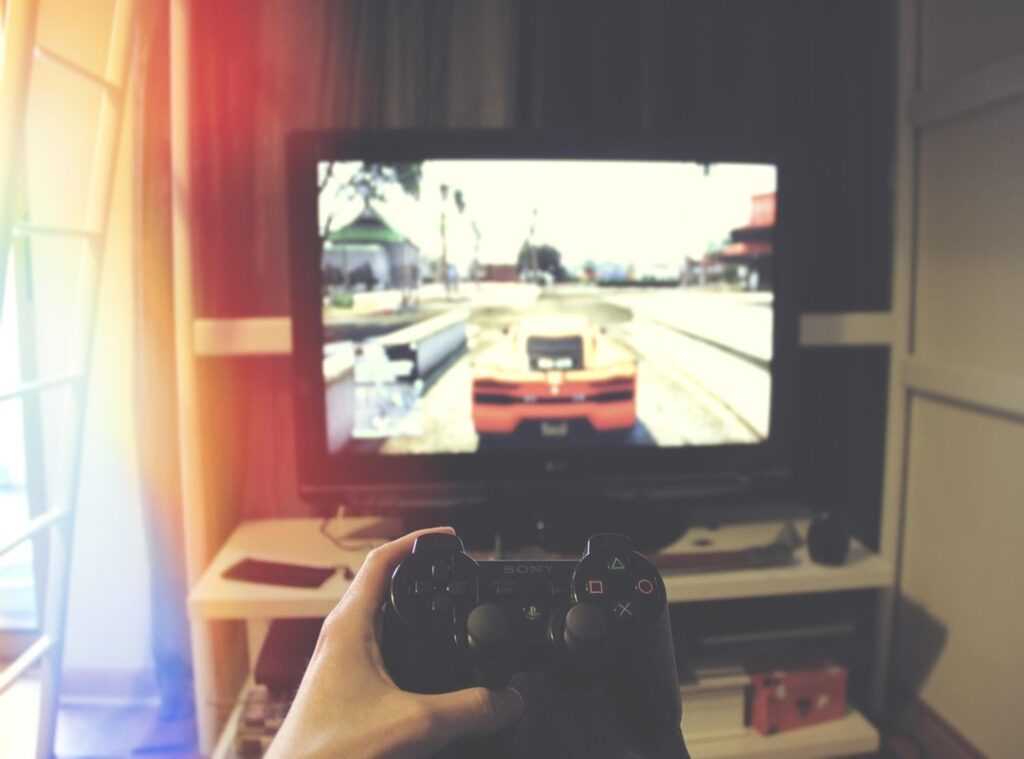
You remember that first time you held a controller.
Not the sleek one you use now. The chunky, heavy one with two knobs and a single button. You stared at Pong on a blurry TV and thought it was magic.
I did too.
But here’s what nobody tells you: that magic wasn’t just about better graphics or faster chips. It was about college students cramming code into 4KB of memory. It was about Sony betting its entire reputation on a console no one believed in.
It was about gamers in Lagos or Jakarta waiting weeks for a pirated disc (then) building local modding scenes no corporation could control.
Most timelines stop at “PS2 sold well” or “Xbox launched.” That’s useless.
I’ve dug through patent filings from 1985. Cross-referenced every major console launch against quarterly earnings reports. Talked to developers who shipped games on floppy disks and now roll out them via cloud APIs.
This isn’t nostalgia.
It’s cause and effect.
You want to know why gaming changed. Not just when. Why mobile exploded while handhelds collapsed.
Why subscription models replaced boxes. Why indie games now outsell triple-A sequels.
How Gaming Has Evolved Thehaketech isn’t a history lesson. It’s a working map.
And it starts right here.
From Arcades to Living Rooms: How Hardware Forced Genius
I remember playing Metroid on the NES and realizing something was different. Not just the music or the isolation (the) map. That map was game-changing because memory limits left no room for hand-holding.
The NES had 32KB of RAM. Total. You couldn’t store a full world.
So designers used tiles. Sprites were reused, flipped, rotated. Scrolling wasn’t smooth (it) snapped in chunks.
Every pixel mattered.
Pac-Man’s maze? It wasn’t just cute. It reduced CPU load.
Fewer objects on screen meant the Z80 chip could keep up. No fancy physics. Just smart constraints.
Arcades ran on quarters. You died fast. You paid again.
Home consoles? You bought it once. So games needed pacing.
Save systems. Longer arcs. The Legend of Zelda shipped with battery-backed memory. A direct response to that shift.
Sega Genesis had a sound chip that let music loop without stuttering. Suddenly, tracks felt alive. Not canned.
Not static.
Early ports failed because arcade boards and consoles weren’t cousins (they) were strangers speaking different languages. Trying to squeeze Street Fighter II onto SNES hardware without redesigning the engine? Impossible.
Not lazy. Just wrong architecture.
How Gaming Has Evolved Thehaketech starts with understanding those hard walls. Not as roadblocks, but as creative fuel.
If you want real talk about how hardware shaped gameplay (not just specs), check out Thehaketech.
I’ve rebuilt ROMs just to see how much space a single sprite eats.
You’d be shocked.
When Multiplayer Got Real
I remember hooking up four modems just to play Quake with friends. Dial-up screeched like a dying robot. Lag wasn’t annoying.
It was baked in. You learned to aim three feet ahead of where the enemy was.
LAN parties weren’t nostalgic. They were necessary. Doom.
No accounts. Just raw connection.
StarCraft. You showed up with your PC, a cable, and snacks. No servers.
Then EverQuest dropped. People logged in and stayed. Not for hours.
For months. Server costs exploded. ISPs choked on traffic.
That’s when we realized: persistent online worlds weren’t a feature. They were the product.
Battle.net launched in 1997. Yes. 1997. Before Xbox Live.
Before Steam. It had matchmaking, chat, and ladder rankings. It also had zero ping compensation.
You either lived in Texas or you suffered. (No, really. I lived in Maine.
I suffered.)
Matchmaking got smarter. Not perfect. Never perfect.
But better. Skill-based queues. Real-time latency smoothing.
You can read more about this in this article.
Still feels like magic when it works.
Half-Life shipped GoldSrc with tools. Someone built Counter-Strike in their basement. Then a million more mods followed.
Open APIs didn’t plan for that. They just got out of the way.
How Gaming Has Evolved Thehaketech isn’t about graphics or speed. It’s about who you’re playing with. Not who you could play with (who) you do, every night, across time zones and routers.
I still boot up old LAN games sometimes. Just to remember how fragile it all was. And how hard we fought to keep it alive.
Mobile & Free-to-Play: When Games Started Asking for Rent

I used to finish Skyrim in one sitting. Now I get a push notification telling me my Clash of Clans builder is ready.
That’s not progress. That’s design with a lease agreement.
F2P games are built around session length optimization. Three minutes. Not two.
Not four. Three. Because that’s how long it takes to tap, upgrade, and feel mildly accomplished before your phone buzzes again.
Clash of Clans doesn’t want you to explore. It wants you to return. Skyrim wants you to disappear for six hours.
Different goals. Different code. Different brain chemistry.
Mobile GPUs couldn’t handle high-res textures. So devs compressed assets. Hard.
Pixel art wasn’t nostalgic. It was necessary. Then indie PC devs noticed: hey, this looks cool and runs on a toaster.
You think those “limited-time event” timers reduce stress? They spike cortisol. I’ve seen players refresh the same screen 17 times waiting for a timer to hit zero.
(It’s not fun. It’s Pavlovian.)
Some studios now cap daily notifications. Others ban FOMO timers outright. Good.
It’s overdue.
How Gaming Has Evolved Thehaketech isn’t just about graphics or speed. It’s about who holds the remote (and) whether they’re holding it for you.
News Gaming Industry Thehaketech covers exactly how much has changed (and) who’s pushing back.
Don’t trust a game that counts your breaths. I don’t. Neither should you.
The Next Frontier: Cloud, AI, and What “Playable” Even Means
Cloud gaming isn’t about raw power. It’s about your router.
I’ve watched people blame GeForce Now for stutter when their Wi-Fi drops for 40ms. That’s longer than the entire round-trip time most games need to feel responsive. 20ms latency isn’t a suggestion. It’s the line between fluid and frustrating.
AI isn’t sci-fi anymore. Red Dead Redemption 2 uses it for ambient NPC chatter that doesn’t loop. No Man’s Sky generates quests on the fly.
Not just planets. And real-time captioning? It ships.
Right now. In actual games.
Some designers panic. They think AI replaces them. It doesn’t.
It replaces drafting. Not judgment. You still pick the final concept.
The tool just spits out ten versions in two minutes instead of one in two days.
Text-based interfaces are coming back. Twine. AI Dungeon.
Low bandwidth. High imagination. Zero GPU tax.
How Gaming Has Evolved Thehaketech. It’s less about hardware specs and more about where the work happens.
You want real-world tweaks? Not theory. Not hype.
Try Thehaketech Gaming Hacks From Thehake.
Start Playing With Purpose. Not Just Pixels
I’ve shown you how gaming didn’t just get flashier. It got smarter. Every leap fixed something real.
Cost dropped. Access widened. Engagement deepened.
Scale exploded. None of it was accidental.
You now see why How Gaming Has Evolved Thehaketech matters. Not as trivia, but as a lens.
That VR headset? Ask yourself: What friction does this actually solve? Or is it just shiny?
Most players don’t question the design. You do now.
So pick one game you love. Dig up its original hardware limits. Study its launch-era business model.
Then replay it. With that context in mind.
It changes everything.
Every button press carries decades of decisions (now) you know how to read them.
Your turn. Go play like you mean it.