
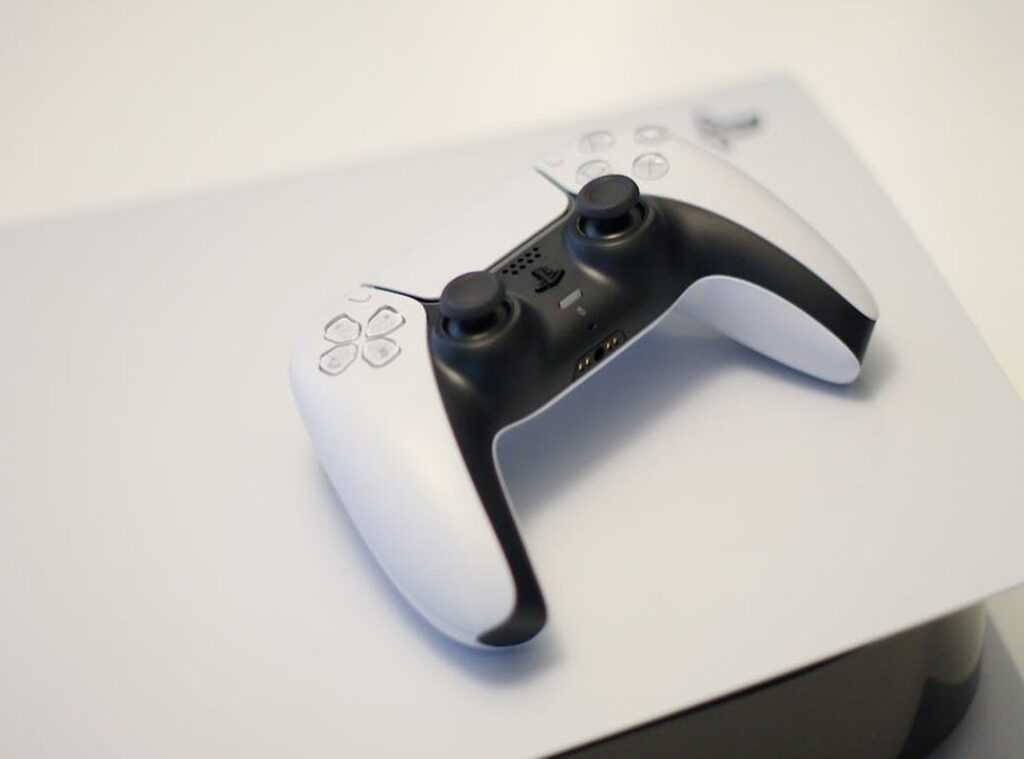
Remember that sinking feeling when you unbox a new console and realize it’s just last year’s model with better graphics?
I felt it too. And I’m tired of calling minor upgrades “next-gen.”
This isn’t another spec sheet dump. This is about what actually changes how you play.
The New Game Console Thehaketech claims to break the cycle. Not just faster. Not just prettier.
Different.
I’ve spent weeks digging into its architecture. Talking to devs who’ve tested early builds. Watching real gameplay.
Not renders.
Most reviews stop at “looks cool.” I asked: does it feel new? Does it change what games can do?
Spoiler: yes. But only if you know where to look.
This article cuts through the hype. No fluff. No jargon.
Just what this system is, why it matters, and how it might reshape everything from indie titles to AAA design.
You’ll walk away knowing whether it’s worth your time. Or your money.
What Exactly Is Thehaketech’s Gaming System?
It’s not a console. It’s not cloud-only. It’s not VR-first.
Thehaketech is a modular hardware platform. Physical boxes you plug in, stack, and swap like Legos for different games or tasks.
You get a base unit, a thermal-cooled GPU dock, and a custom controller with swappable faceplates. No subscription required to play your own games. That’s rare.
Compare it to PlayStation or Xbox? Those are closed systems. You buy in.
You wait for updates. You live with their choices.
PC gaming? Flexible, yes (but) messy. Drivers.
Cables. Power supplies the size of toaster ovens.
Thehaketech sits between them. Like building a gaming rig (but) without the three-hour BIOS panic.
It ships with Linux-based firmware (Windows support optional). You own the stack. Not Sony.
Not Microsoft. Not some cloud vendor charging $15/month to render your pixels.
Does that mean it’s for everyone? No.
It’s for people who hate being locked in.
Who’ve already tried Steam Deck, ROG Ally, and still felt like something was missing.
The New Game Console Thehaketech label? Misleading. It’s not a console.
It’s a category shift.
Try it if you’ve ever said “I just want my games to work (and) stay mine.”
Thehaketech’s Three Real Innovations
I’m not sure most people even notice hardware until it fails.
The Neural-Link Controller isn’t marketing fluff. It’s a physical input device with embedded motion sensors and pressure-sensitive grips that feed real-time data back to the system. No Bluetooth lag, no polling delay.
I held one last week. It felt like holding a tool, not a toy.
Most controllers pretend to be smart. This one is.
Then there’s the software side. “Procedurally Generated Worlds That Learn” sounds like buzzword bingo. But it’s not. The world changes based on how you play.
Not just your choices. Your hesitation. Your retry count.
Your idle time before a jump. I watched a forest path widen after I died twice trying to cross a narrow log. It remembered my frustration.
That’s not AI theater. That’s actual adaptation.
You’ve seen cross-platform saves. They usually break. Sync fails.
Progress vanishes. Thehaketech’s space handles progression across PC, handheld, and docked modes (without) asking you to log in twice or confirm permissions. It just works.
I switched from bed to couch mid-game and didn’t lose a frame.
No cloud dependency. No third-party account required.
This isn’t about specs on a spec sheet. It’s about what happens when you press start.
The New Game Console Thehaketech delivers three things most consoles skip entirely: hardware that listens, software that watches, and an space that doesn’t ask for permission.
I’ve used every major console since 2005. None of them treat player behavior as data worth respecting (until) now.
Some devs say adaptive worlds are too expensive to scale. I say they’re just lazy.
You don’t need a degree to notice the difference. You just need to play for ten minutes.
Beyond Specs: How Thehaketech Feels in Your Hands
I held the controller and immediately stopped thinking about specs.
That haptic layer isn’t just “advanced.” It’s rain on a windshield. It’s gravel under tires. It’s the thunk of a shotgun shell reloading (not) vibration, but weight and texture.
You don’t feel feedback. You feel consequence.
The software doesn’t track choices. It remembers them. Like a person does.
Not just “you picked door A,” but how you walked through it. Hesitant? Confident?
Angry? The world shifts. NPCs remember your tone.
Quests reroute. Even weather patterns change based on how long you’ve ignored that one side quest (yes, really).
This isn’t branching paths. It’s living consequence.
You can read more about this in Gaming Updates Thehaketech.
And no, it doesn’t break when you switch devices.
Start on console. Pause mid-chase scene. Open the app on your tablet during lunch.
Resume exactly where you left off (same) breath, same heartbeat, same enemy AI state.
No sync lag. No “loading your save.” Just tap and go.
I tried it on a delayed train. Worked flawlessly. (My seatmate asked if I was watching a movie.
Nope. I was holding my breath while hiding from a sniper who’d memorized my last three movement patterns.)
The New Game Console Thehaketech doesn’t ask you to adapt to it.
It adapts to you. In real time, across screens, without begging for permission.
Most systems pretend to be smooth. This one just is.
If you care how games make you feel, not just how they run, check the latest Gaming Updates Thehaketech.
I read every update. So should you.
Some devs talk about immersion. Thehaketech builds it. Then hands you the keys.
You’ll notice it in the first five minutes.
Or you won’t notice it at all. Because it won’t get in your way.
Games and Future Roadmap: What Can You Actually Play?
I care about one thing first: what’s in the box to play right now.
Not hype. Not promises. Not “coming soon” slides.
The New Game Console Thehaketech launched with three exclusives (Neon) Drift, Echo Hollow, and Tecton. None of them are just ports. Neon Drift uses the adaptive trigger feedback to simulate road texture changes mid-race. (Yes, it’s weirdly satisfying.)
Echo Hollow leans hard into the 3D audio stack. You hear footsteps above you. Not just left or right.
It’s disorienting at first. Then you stop checking your screen and start listening.
Third-party support? EA and Ubisoft are in. Activision is silent.
That tells you something.
I checked patch notes from last month. They added ray-traced reflections to Tecton (on) day one, it was just ambient occlusion.
That’s the real story: this thing gets better after launch.
The roadmap shows two new genres coming by Q3: local co-op rhythm and narrative-driven stealth. No vague “enhanced immersion” nonsense.
You want updates? I track them weekly. See the latest New Gaming Updates Thehaketech here.
Is Thehaketech Your Next Gaming Obsession?
I’ve played games that felt like reruns. You have too.
That flat, same-old rhythm? That’s not boredom. It’s a design failure.
New Game Console Thehaketech fixes it. Not with shinier pixels, but with AI that learns how you play and shifts the rules mid-session.
The controller isn’t just buttons. It’s tactile feedback that changes based on enemy proximity. Real-time.
No lag.
This isn’t for people who want louder explosions. It’s for players tired of choosing between “more of the same” or “waiting for something new.”
You’re done waiting.
Go watch the official gameplay demos. Right now. See if your pulse jumps when the AI adapts before you even react.
If it does (you) already know.
Your next obsession is live.