
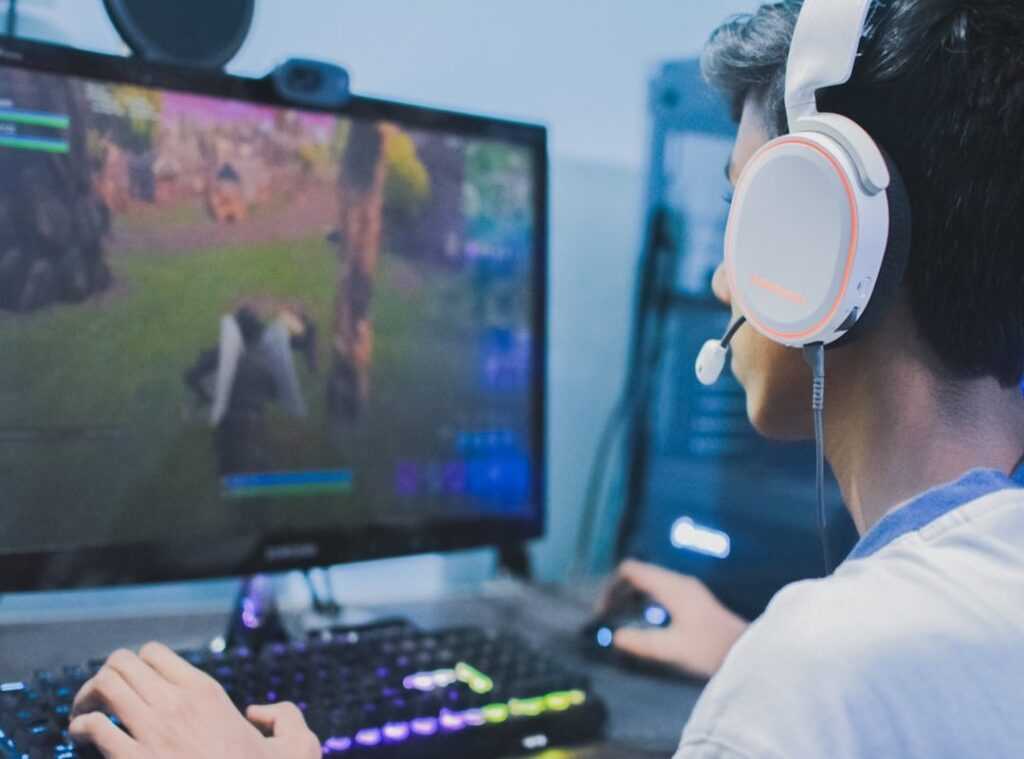
Lag is the enemy of every gamer, right? You’re in the middle of an intense match and suddenly. Boom, you’re stuck in place, helpless as your opponent takes you out.
Frustrating doesn’t even begin to cover it. But what if I told you there are straightforward ways to deal with it? Reducing lag gamers will dive into these practical solutions, because, let’s be honest, you don’t have time for elaborate setups or tech jargon.
You want something that works, fast. I do, too. Whether you’re battling it out in the latest multiplayer shooter or strategizing in a complex RPG, smooth gameplay is key.
I’ve spent time digging into this issue and spoken to some top gamers and developers. They’ve shared tips and tricks that can make a real difference.
Stick with me. This isn’t another generic guide. We’ll get to the core of what you need to do to enjoy your games without interruption.
First, Understand the Enemy: What ‘Latency’ Actually Means
Latency is the time it takes for data to travel between two points. Think of it like tossing a ping pong ball and waiting to see how long it takes to bounce back. The shorter the time, the better.
When we talk about “ping,” we’re actually measuring latency. They’re often used interchangeably, but ping is just the stopwatch reading on that data round trip.
Now, let’s get into the weeds a bit. Bandwidth and latency are not the same. Imagine a highway: bandwidth is the number of lanes, while latency is the speed limit.
You can have a wide highway (high bandwidth) but still crawl along if the speed limit (latency) is low. Frustrating, right?
But here’s the kicker: reducing lag gamers face isn’t just about latency. You also have to consider packet loss and jitter. Packet loss is like losing a few pages from a book you’re reading (annoying and new).
Jitter, on the other hand, is the inconsistency in data arrival times, making your game feel like a glitchy mess.
Pro tip: mastering keyboard shortcuts every gamer know can save you precious milliseconds. In the world of gaming, every second counts.
Fortify First: Nailing Your Internet Setup
Start with the basics. Your Internet Service Provider (ISP) is your first checkpoint. Ever had the gut feeling something’s off with your connection?
Before you panic, check for local outages. ISPs can drop the ball sometimes (not shocking, right?). And if you’re serious about reducing lag gamers, consider the type of connection you’re using.
Fiber is the gold standard for low latency, unlike cable or DSL which can be sluggish. Have a chat with your ISP about what’s best in your area.
Now, let’s talk hardware. Ever wonder why your online games stutter when they shouldn’t? It could be your modem and router.
A top-notch modem paired with a reliable router can handle high traffic better.
Those combo units ISPs hand out? They’re convenient but often a bottleneck. Investing in separate devices can be a game-changer.
Oh, the eternal ‘Wired vs. Wi-Fi’ debate. Sure, everyone says wired is better, but why?
For one, stability. Wired connections don’t get hit by radio interference. Wi-Fi is like a highway clogged with signals.
Everything from microwaves to your neighbor’s Netflix binge can disrupt it. If you’re gaming on Wi-Fi, you might notice annoying lag spikes. Ever had your game freeze mid-battle?
That’s interference for you.
Then there’s the hidden devil: physical cables. Who checks them, right? Yet, a damaged Ethernet cable can slowly cause packet loss, throwing your game into chaos.
Make sure you’re using Cat 5e or Cat 6 standards for better performance. They’re not just numbers; they’re your ticket to smoother gaming sessions.
In the end, your gaming experience rides on these foundations. Start right, and you’ll notice the difference immediately. Whether you’re facing down foes in a multiplayer skirmish or just trying to beat your personal best, the right setup matters.
Make these tweaks, and your gaming world changes.
Tuning Your Network: Gain the Edge
Ever wonder how to squeeze every last drop of performance from your home network? Let’s talk about Quality of Service (QoS). It’s a traffic priority system that can minimize lag by putting your gaming console or PC at the top of the list.
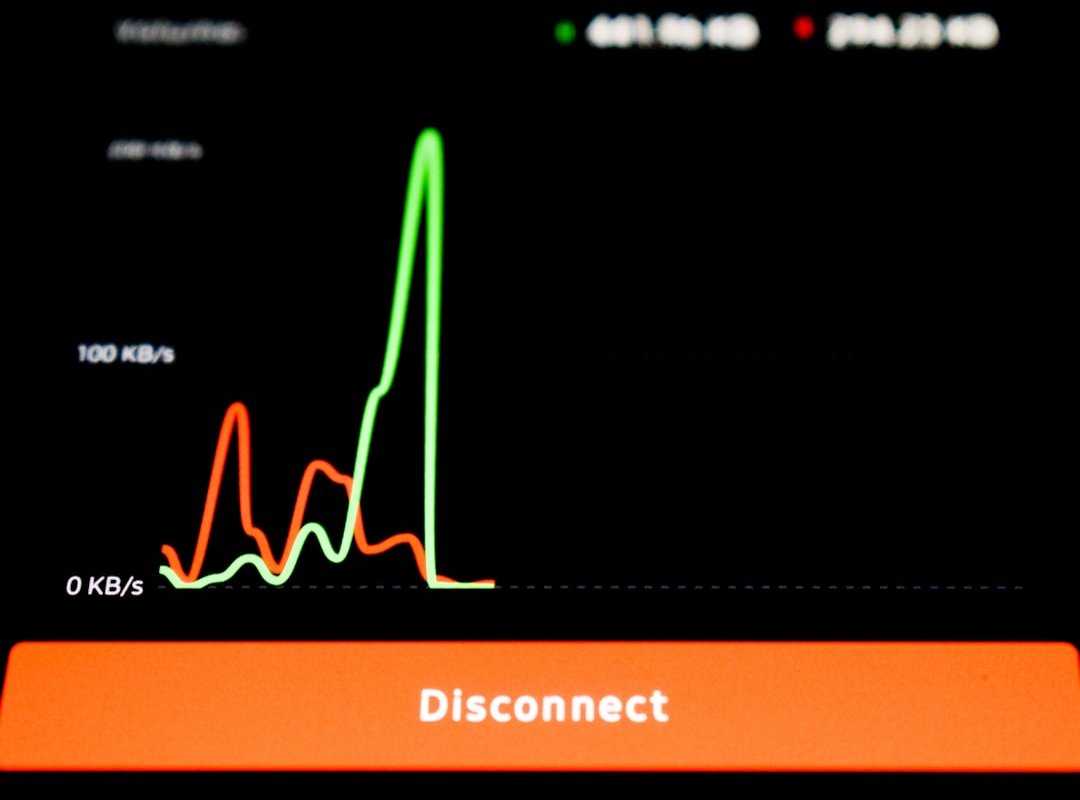
You configure it by diving into your router’s settings and prioritizing the devices that really matter to you. Simple, right?
Now, let’s discuss DNS servers. Think of them as the internet’s phonebook. Switching to a faster DNS server (like Google or Cloudflare) can reduce that annoying initial connection delay.
Why wait when you can speed things up with a click or two? You’ll feel the difference, especially when milliseconds matter most in gaming.
Updating your router firmware isn’t just a nice-to-have. It’s important. Firmware updates don’t just tweak things; they often pack in security patches and performance boosts.
Ignore them, and you may as well invite lag to your gaming party. Stay updated, stay secure.
Stuck on Wi-Fi? Sure, wired is best, but if you must go wireless, use the 5GHz band. It’s less crowded and offers higher speeds.
Also, placing your router in a central, open spot can make a world of difference. Who knew furniture could be such a signal roadblock?
For more on getting the most out of your gaming setup, check out this page on Optimizing Graphics Settings Peak Performance. It’s all about reducing lag gamers face every session. Why settle for less when you can have the edge?
The Final Mile: System and In-Game Latency Fixes
Let’s talk about reducing lag gamers face. It’s a real headache, right? The first step in tackling this is all about picking the right game server.
Automatic matchmaking? Nah, not the best choice. Manually selecting the server with the lowest ping is your golden ticket.
Trust me, it makes a world of difference.
Now, what’s bogging down your system in the background? Those pesky processes like cloud syncing (think Dropbox or OneDrive), streaming services, and those monstrous system updates. They’re munching on your bandwidth and CPU cycles like it’s Thanksgiving.
Get them under control.
And hey, let’s not forget about your network drivers. They need to be up-to-date. Outdated drivers are like trying to run a marathon in flip-flops (inefficient and painful).
They make data processing sluggish, upping your latency. So, check those drivers. It’s not rocket science, and it can save you a ton of frustration.
Pro tip: Avoid VPNs or proxies when gaming. They’re like adding extra traffic lights on a highway. They slow you down.
These extra “hops” increase your ping, almost guaranteed. Unless you absolutely need that VPN, steer clear.
To wrap it up, these software-level tweaks can seriously lower your lag. You’ll notice the difference. It’s not just about having the best hardware; it’s about making the most of what you’ve got.
So give these a shot and get back to enjoying your game without the lag monster breathing down your neck.
Turn Lag into Victory
Latency isn’t just a random annoyance. It’s a real barrier to your gaming performance. We both know how frustrating it is when a poor connection makes you lose control (and your competitive edge).
But don’t worry. You can tackle this with a complete approach, from your hardware to in-game settings. Here’s the challenge: act now.
Don’t just skim through. Pick one area to improve today and start claiming that low-ping advantage you deserve. Trust me, you’ll feel the difference.
For reducing lag gamers, it’s time to step up. Dive in and conquer your connection issues now.