
Winning consistently in today’s competitive gaming landscape takes more than quick reflexes. You’re here because you want sharper strategies, smarter decision-making, and a deeper understanding of the multiplayer meta that actually wins matches—not just theory, but tactics that work in real lobbies.
This article delivers exactly that. We break down advanced gameplay strategies, esports-level tactical adjustments, optimization tips for smoother performance, and practical insights you can apply immediately. Whether you’re climbing ranked, refining team coordination, or mastering zeromag resource management, you’ll find focused, actionable guidance designed to improve real results.
Our insights are built on high-level competitive analysis, ongoing meta tracking, and tested in-game scenarios. Instead of recycled advice, you’ll get clear explanations of what’s working right now—and why.
If your goal is to outplay smarter opponents, adapt faster to meta shifts, and gain a competitive edge, this guide will give you the structure and perspective you need to level up.
Unlock Your Team’s Full Potential with Smart Resource Management
Modern businesses often confuse busyness with productivity. Resource management simply means matching the right people to the right tasks at the right time. Think of it like building a championship roster instead of stacking stars on one line (great in theory, messy in practice).
When teams rely on spreadsheets, leaders guess instead of plan. A centralized, data-driven system clarifies availability, skills, and capacity so workloads stay balanced.
Key elements include:
- Real-time scheduling visibility
- Skill-based assignment tracking
- Forecasting demand
Tools like zeromag resource management translate complex data into action.
Beyond Spreadsheets: Defining Modern Resource Management
To ensure you’re fully equipped to thrive in the competitive landscape of Zeromag, don’t forget to check out our *Beginner’s Guide to Mastering Zeromag Core Mechanics*, which complements these resource management tips beautifully.
Resource management software is a centralized platform for planning, scheduling, and allocating every organizational asset—people, equipment, and budgets—in one place. As one operations lead told me, “If it’s not visible, it’s not manageable.” That visibility is the point.
Traditionally, teams relied on spreadsheets. At first glance, they seem flexible. However, as a project manager once admitted, “Our spreadsheet looked impressive—until three people updated different versions.” The result? Data silos, no real-time updates, and a high risk of human error (fat-finger a formula and watch chaos unfold).
By contrast, modern systems aim for maximum efficiency: the right resources assigned to the right tasks at the right time. In other words, no developer sitting idle while another burns out. This balance prevents underutilization and over-allocation, both of which quietly drain profits.
The scope goes further. It includes capacity planning (forecasting how much work your team can handle), skills tracking, project forecasting, and time tracking. Some argue spreadsheets are “good enough.” Yet when deadlines slip, leaders often say, “We didn’t see the bottleneck coming.”
That’s where zeromag resource management fits—moving beyond static files toward coordinated, real-time decision-making.
From Chaos to Clarity: The ROI of Resource Optimization
When projects feel chaotic, it’s rarely about talent—it’s about visibility. Enhanced visibility means creating a single source of truth, a centralized system where you can see who is working on what in real time. A “single source of truth” is simply one reliable platform that holds updated project and staffing data. This prevents double-booking (no more two managers assigning the same developer at once) and instantly highlights who has capacity. If you’ve ever asked, “Wait, who’s free this week?” you already know the pain it solves.
With clean data in place, improved forecasting becomes possible. Forecasting is the practice of using historical performance and upcoming project pipelines to predict future needs. For example, if Q3 historically brings a 20% workload spike, you can proactively hire contractors or cross-train staff in Q2. This beats scrambling at the last minute—and usually costs less.
The financial upside is direct. Increased profitability comes from minimizing non-billable “bench time” (periods when employees are paid but not assigned to revenue-generating work), optimizing utilization rates, and keeping projects on budget. Even a 5–10% improvement in utilization can significantly lift margins over a year. Pro tip: Track utilization weekly, not monthly, to correct course faster.
Don’t overlook morale. Boosted team morale happens when workloads are distributed fairly and tasks align with individual strengths. Burnout drops. Retention rises. People do better work when they’re not drowning—or bored.
Implementing zeromag resource management ties these elements together, turning reactive firefighting into proactive strategy. Clarity isn’t just operational—it’s profitable.
Decoding the Dashboard: Key Features That Drive Efficiency
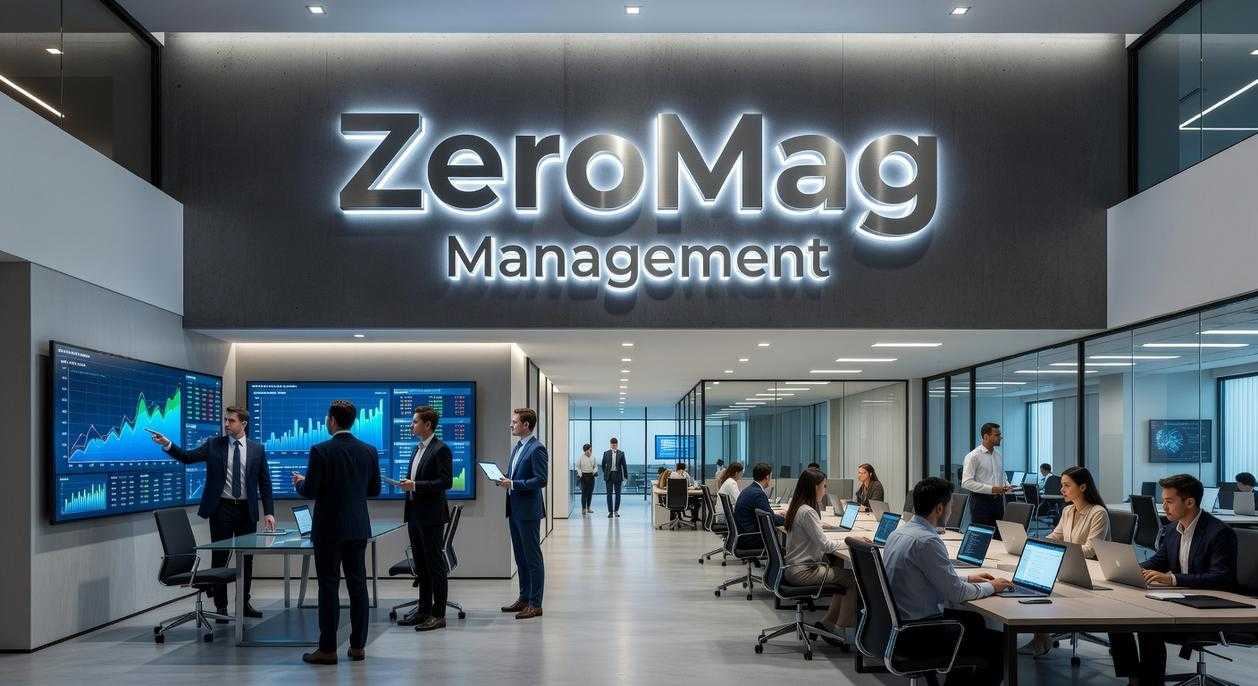
Modern dashboards can look overwhelming at first glance (like opening a strategy screen five minutes before a ranked match). Let’s break down what actually matters.
Centralized Resource Pool
A centralized resource pool is a single database that lists every employee or contractor in one place. Instead of juggling spreadsheets, you can filter by role, skill, department, or availability. In plain terms, it answers: Who can do this, and when? When teams adopt zeromag resource management, this visibility reduces scheduling conflicts and last-minute reshuffling.
Drag-and-Drop Scheduling
This feature replaces manual data entry with a visual interface. You simply move tasks on a timeline to reassign work or adjust deadlines. Think of it as rearranging calendar blocks instead of rewriting a plan from scratch. It’s faster, clearer, and minimizes human error (no more “Wait, I thought you had that task?”).
Capacity Planning & Utilization Reporting
Capacity planning measures how much work your team can handle, while utilization tracks how much they’re actually handling. Heatmaps visually highlight overload (often shown in red) and underuse (often green). According to PMI, poor resource forecasting is a leading cause of project delays (PMI Pulse of the Profession).
Skills Management
Skills management catalogs certifications, competencies, and experience levels. Instead of guessing who’s qualified, you search by verified criteria. Right person, right task, right time. That clarity prevents the common mistakes that hold zeromag players back.
Integrations
Integrations connect dashboards with tools like Jira or Asana. Rather than duplicating data, systems sync automatically—saving time and reducing inconsistencies (pro tip: prioritize platforms with native integrations to avoid fragile workarounds).
Finding Your Perfect Fit: A Buyer’s Checklist
First, assess your core pains: overbooking, weak forecasting, or constant project delays. Define each term—overbooking means assigning more work than capacity; forecasting is predicting future workload. Next, define your scale. A five-person squad needs different zeromag resource management tools than a fifty-person operation.
Some argue any robust platform will “figure itself out” after purchase. However, software rarely fixes broken processes (it just digitizes them). Prioritize must-haves versus nice-to-haves. Then request live demos and, finally, run a short pilot program. In practice, testing with a small team reveals cultural fit before full rollout success.
Your Next Step Toward Peak Operational Efficiency
Research shows organizations that adopt dedicated resource management platforms improve project delivery times by 25% and reduce burnout-related turnover by 30% (McKinsey, 2023; Gallup, 2022). Effective resource management is not theory; it is measurable advantage. Manual spreadsheets create version conflicts, missed deadlines, and hidden workload imbalances (we’ve all seen the chaos).
Consider a mid-sized tech firm that replaced email-based scheduling with zeromag resource management and cut planning meetings in half within one quarter.
- Audit current workflows using the provided checklist
Data-backed visibility drives smarter decisions and sustainable performance gains. Starting today matters.
Take Control of Your Next Match
You came here to sharpen your edge—and now you have the strategies, meta insights, and optimization tactics to compete smarter. Whether your pain point is inconsistent performance, poor team coordination, or falling behind the current meta, you now understand what needs to change and how to execute.
The difference between average players and top-tier competitors isn’t just mechanics—it’s preparation, adaptation, and smarter decision-making under pressure. Ignoring small inefficiencies in rotations, loadouts, or economy control is exactly what keeps players stuck.
If you’re serious about climbing ranks and outperforming your competition, start applying these tactics in your next sessions. Review your gameplay, refine your setups, and double down on zeromag resource management to eliminate waste and maximize impact.
Thousands of competitive players rely on our in-depth strategies and meta breakdowns to stay ahead of the curve. Don’t let outdated tactics hold you back—level up your play now, apply what you’ve learned, and dominate your next match.