

Non-playable characters aren’t just background fillers anymore—they’re shaping how we explore, compete, and win. If you’re searching for deeper insight into ai npcs in games, you’re likely wondering how they actually work, how they influence multiplayer metas, and how to adapt your strategy around them.
This article breaks down how modern AI-driven NPC systems function, from reactive enemy behavior to adaptive teammates and dynamic world-building. More importantly, it explains what these systems mean for your gameplay—how to exploit predictable patterns, prepare for machine-learning-driven opponents, and optimize your approach in both casual and competitive modes.
Our insights are built on hands-on gameplay testing, meta analysis, and close study of evolving AI mechanics across genres. Whether you’re aiming to outsmart smarter enemies or understand how AI impacts esports-level tactics, this guide will give you clear, actionable knowledge you can apply immediately.
Beyond the Script: How AI is Rewriting the Rules for NPCs
For decades, NPCs followed rigid scripts. Walk here. Say this. Repeat. (Like a background actor who never breaks character.) Today, ai npcs in games adapt in real time.
“We wanted characters that remember you,” one developer said. “If you betray them, they don’t just reset.” A competitive player told me, “It feels less like farming bots and more like facing a mind.”
What changed?
- Machine learning enables dynamic decision-making
- Procedural dialogue systems create context-aware responses
- Behavioral modeling reacts to player tactics
The result? Worlds that feel alive, not staged.
From Puppet to Player: The Evolution of NPC Intelligence
To understand how non-playable characters evolved, it helps to start simple. Early NPCs relied on basic logic systems like Finite State Machines (FSMs)—a model where a character exists in one “state” at a time, such as patrol, chase, or attack. In Pac-Man, ghosts followed fixed pathing rules. In classic RPGs, dialogue trees offered prewritten responses. Functional? Yes. Flexible? Not really. If you stepped outside their script, they broke immersion (and sometimes just ran into a wall).
However, as games demanded realism, developers shifted to Behavior Trees—hierarchical systems that let NPCs evaluate multiple actions dynamically. Titles like Halo and F.E.A.R. showcased enemies that flanked, suppressed, and coordinated. Instead of “if player seen, attack,” they assessed context. This created the illusion of teamwork—like a digital SWAT unit.
Meanwhile, modern systems use Utility AI and Goal-Oriented Action Planning (GOAP). Utility AI scores possible actions based on desirability, while GOAP builds step-by-step plans to meet goals. In The Last of Us or Red Dead Redemption 2, characters sleep, eat, react emotionally, and adapt to chaos organically.
Today, ai npcs in games blur the line between script and spontaneity—less puppet, more player (and sometimes eerily human).
Crafting Living Worlds: AI’s Impact on Single-Player Immersion
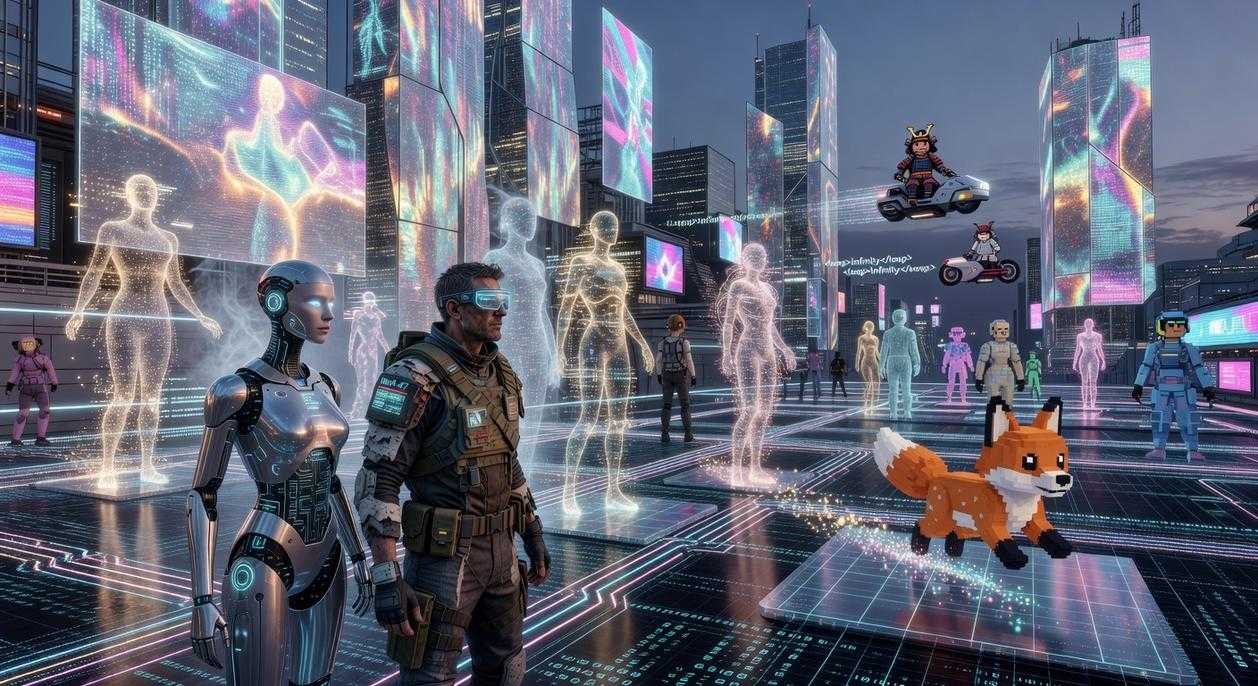
Have you ever finished a game and realized your experience felt completely different from your friend’s? That’s not an accident. It’s AI quietly rewriting the rules of immersion.
Dynamic Storytelling
Traditionally, stories followed fixed branches. However, modern systems allow characters to react, remember, and evolve. Take the Nemesis System in Shadow of Mordor: an orc you spared might return scarred, promoted, and seeking revenge. That unscripted rivalry becomes your story. This is the promise of ai npcs in games—agents that generate emergent narratives (unscripted storylines created through dynamic interactions rather than prewritten scenes). Sound familiar? It’s like when your favorite RPG villain refuses to stay defeated—except now the grudge is personal.
Some argue handcrafted storytelling is stronger. After all, tightly written plots win awards. Yet dynamic systems don’t replace authored stories; they amplify them, layering unpredictability over structure.
Believable Companions & Living Cities
Meanwhile, companions have evolved beyond inventory storage (finally). They flank enemies, adapt tactics, and respond emotionally to player choices. In The Last of Us Part II, allies call out threats and react to violence in ways that feel disturbingly human. Ambient AI also fills cities with routines—shopkeepers closing stalls at night, citizens reacting to crime—creating the illusion of a breathing world. Have you noticed how empty older open worlds now feel by comparison?
Procedural Quest Generation
Furthermore, procedural quest systems analyze game state and player behavior to generate tailored missions. Instead of “collect 10 herbs,” you might defend a village you previously angered. This dramatically increases replayability. It’s one of the top gaming trends dominating 2026 so far (https://zeromaggaming.net/top-gaming-trends-dominating-2026-so-far/).
So here’s the question: when worlds start reacting like this, are you still playing the game—or is it starting to play along with you?
The Unpredictable Opponent: AI in Competitive and Multiplayer Metas
Competitive metas evolve fast. What feels dominant today can be obsolete after one patch. That’s why advanced players increasingly rely on adaptive AI—not static practice dummies—to sharpen their edge.
Advanced Bot Training That Fights Back
Modern training bots use machine learning, meaning they adjust based on your habits instead of repeating scripted patterns. Esports pros in titles like Dota 2 and Counter-Strike scrim against bots that analyze positioning, timing, and even ability usage. If you over-rotate, the bot punishes. If you delay utility, it adapts.
How to use this effectively:
- Record 5–10 ranked matches.
- Identify repeat mistakes (late rotations, greedy peeks).
- Configure adaptive bots to mirror those scenarios.
- Play short, high-intensity drills (20 minutes max).
Pro tip: Treat AI sessions like gym reps—focused and measurable.
PvE Balancing and Smarter Raid Design
In MMOs, sophisticated boss AI relies on dynamic threat tables and reactive mechanics (systems that change based on player behavior). Think of Final Fantasy XIV’s raid bosses that punish stacking or predictable healing cycles. The encounter becomes a chess match, not a script recital.
To prepare your team:
- Assign flexible roles instead of rigid rotations.
- Run simulations where players intentionally trigger alternate phases.
- Debrief immediately after wipes.
AI-Driven Factions as Living Opponents
In sandbox games like EVE Online, autonomous factions influence trade routes, territory control, and resource scarcity. These ai npcs in games act like economic weather systems—unpredictable but trackable.
Monitor faction movement logs, stockpile adaptable resources, and diversify trade hubs. When AI shifts borders, be first to exploit the gap. In multiplayer metas, adaptability isn’t optional—it’s survival.
The Next Generation of Living Worlds
I believe Generative AI will redefine immersion. Large Language Models (LLMs)—AI systems trained on massive text datasets to predict and generate language—enable unscripted dialogue with any character. Instead of canned lines, conversations feel personal (like chatting with a Skyrim NPC who actually remembers you).
- Infinite worlds shaped in real time
- Infinite characters with distinct motives
- Evolving relationships driven by choice
Skeptics worry about coherence and control. Fair. But ai npcs in games already show promise. Imagine mentors who learn from you, rivals who adapt, companions who change over months. That’s inevitable.
Your Next Adventure Will Be Unscripted
Predictable quest givers and looping dialogue trees are fading fast. In their place, intelligent systems create reactions that feel less like code and more like consequence. While some argue scripted worlds ensure tighter storytelling (and fewer bugs), that control often limits surprise. True immersion thrives on uncertainty.
What competitors rarely discuss is how ai npcs in games reshape player strategy itself:
- Adaptive enemies force evolving tactics, not memorized patterns
- Dynamic allies create unscripted co-op moments
- Emergent economies shift resource value mid-campaign
This isn’t chaos—it’s design maturity. Next session, watch closely. You’re not grinding levels; you’re testing the frontier of interactive possibility.
Mastering Smarter Worlds with AI NPCs in Games
You came here to understand how ai npcs in games are reshaping gameplay, strategy, and competitive balance—and now you can clearly see the impact. From adaptive enemies to intelligent teammates and dynamic world-building, these systems are no longer background features. They’re defining how matches unfold and how victories are earned.
The real challenge isn’t just knowing that AI has evolved. It’s keeping up with it. If you’re struggling against unpredictable bots, losing ranked matches because of shifting behaviors, or failing to optimize your tactics around smarter systems, you’re already feeling the pressure. Modern games demand smarter players.
The good news? You don’t have to figure it out alone. Apply the strategies you’ve learned here. Study AI behavior patterns. Refine your builds and rotations. Adapt faster than your opponents.
And if you’re serious about gaining the edge, dive deeper with our advanced meta breakdowns, pro-level optimization guides, and competitive insights trusted by thousands of high-rank players. Don’t let smarter AI hold you back—level up your strategy today and start winning more consistently.